Is a Higher Software Project Budget Worth It? Understanding the Real Value Behind Software Development


Is a Higher Software Project Budget Really Worth It?
When businesses plan a software project, one of the first questions they ask is, "How much should we spend?" While staying within budget is important, choosing the lowest-cost option isn't always the smartest decision. In software development, a higher budget often reflects a stronger focus on quality, scalability, security, and long-term business value.
Rather than viewing software development as an expense, businesses should see it as an investment in efficiency, growth, and future success.
Why Software Development Costs Vary?
No two software projects are the same. A simple business website requires a different level of planning, development, testing, and maintenance than a custom CRM, ERP system, SaaS platform, or enterprise web application.
Similarly, mobile application development often involves an even broader scope of work. In addition to designing a user interface, developers must ensure compatibility across devices and operating systems, maintain performance, integrate APIs and cloud services, implement security measures, and conduct extensive testing before deployment.
Regular updates and maintenance are also essential to keep the application secure, compatible, and responsive to evolving user needs.
Several factors influence the overall budget, including
Project complexity
Custom features and integrations
UI/UX design
Security requirements
Quality assurance and testing
Third-party API integrations
Future scalability
Ongoing support and maintenance
The more comprehensive the solution, the greater the investment. But also greater is the long-term value, as it provides a scalable, future-ready platform for your business.
Software Development Is a Process, Not Just Coding
Many people assume software development begins and ends with writing code. In reality, coding is only one part of a much larger process.
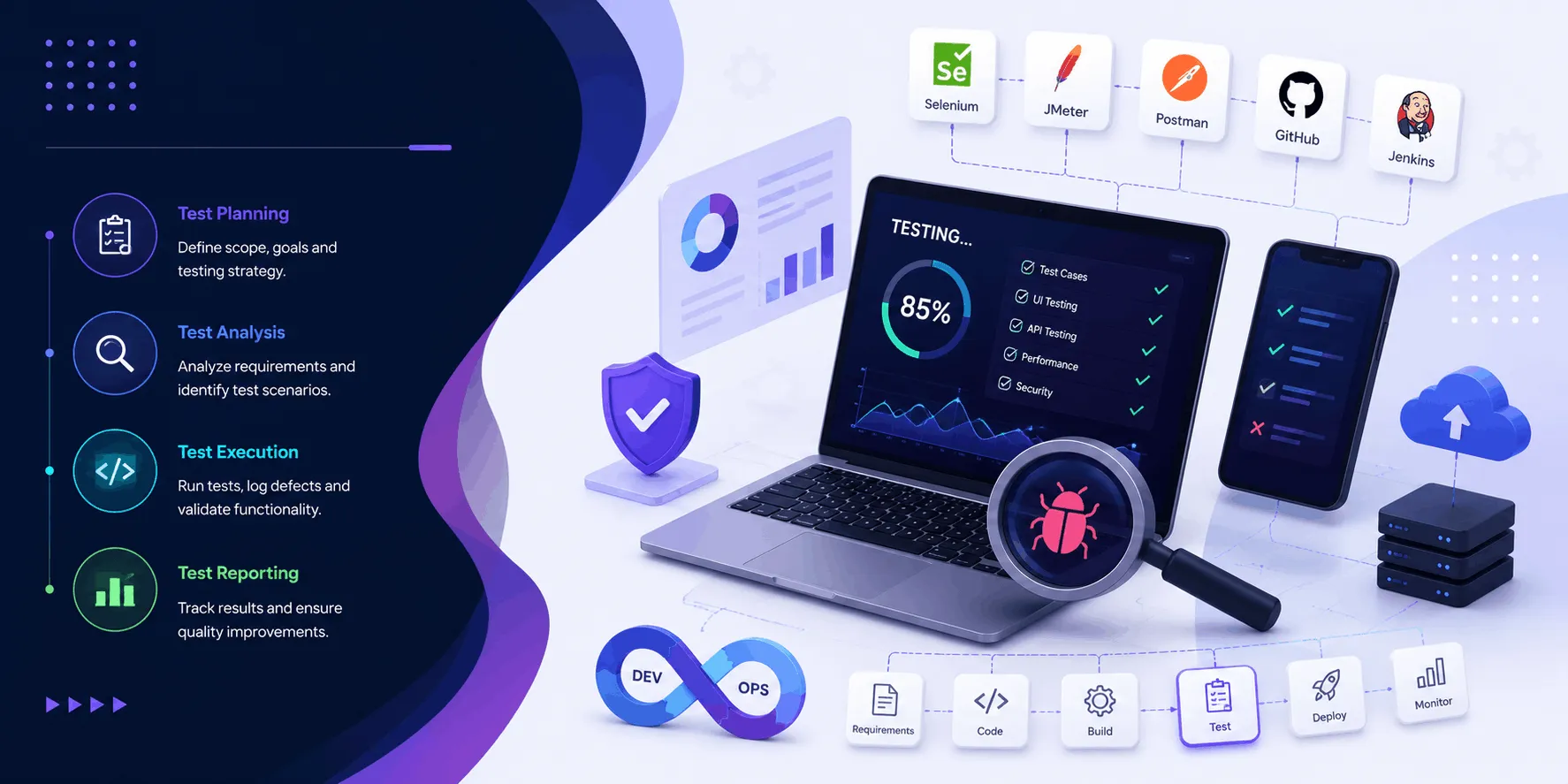
A successful software project typically goes through several stages
Requirement gathering
Business analysis
Planning and architecture
UI/UX design
Development
Testing and quality assurance
Deployment
Maintenance and future enhancements
Each phase contributes to building software that performs reliably and meets business objectives. Reducing the budget too aggressively often means compromising one or more of these critical stages.
Agile and Scrum: Why They Matter?
Modern software development commonly follows Agile and Scrum methodologies, which allow teams to build software in manageable phases instead of attempting to deliver everything at once.
This approach offers several advantages, like
Faster delivery of working features
Continuous client feedback
Flexibility to adapt to changing business needs
Better quality through regular testing
Reduced project risks
Improved collaboration between stakeholders and development teams
However, Agile projects require experienced developers, project managers, designers, testers, and regular sprint planning. These resources naturally influence the project budget, but they also help deliver a more stable and successful product.
The Hidden Cost of Choosing the Lowest Budget
A lower-budget software development project may seem attractive initially, but it can lead to unexpected challenges later, such as
Limited functionality
Poor code quality
Security vulnerabilities
Scalability issues
Frequent bugs and downtime
Expensive redevelopment in the future
Delayed project delivery
In many cases, businesses end up spending significantly more on fixing or rebuilding software than they would have invested in developing it correctly from the start.
When a Higher Budget Creates Better Business Value
Investing more in software development often results in
Better user experience
Stronger security and compliance
Scalable architecture for future growth
Faster application performance
Easier maintenance and upgrades
Reduced operational costs over time
Higher customer satisfaction
A well-built software solution doesn't just solve today's problems. It supports your business as it grows.
Finding the Right Balance
A higher budget doesn't necessarily mean overspending. The goal is to invest wisely in the areas that directly impact quality, performance, and long-term success.
An experienced technology partner helps you prioritise features, optimize resources, and ensure every investment contributes to measurable business outcomes.
How MICA City Technologies Delivers Value
At MICA City Technologies, we believe every software project should deliver lasting business value.
Our team collaborates closely with clients to understand their objectives, recommend the appropriate technology stack, and develop solutions using industry-leading development practices.
We utilise Agile and Scrum methodologies, focusing on delivering software that is reliable, secure, and designed for growth.
We help businesses strike the right balance between budget, quality, and performance, ensuring every project becomes a valuable investment rather than just another expense.
Conclusion
Software development is a journey that requires thoughtful planning, execution, and continuous improvement. While keeping costs under control is important, choosing the right budget often determines the quality of your software.
Instead of asking, "How can we build this for less?" businesses should ask, "How can we build this to last?" The answer often lies in making a strategic investment that delivers greater value over time.
Planning a software project? Micacity.tech helps you make the right technology and budget decisions. Contact our experts today to discuss a solution that aligns with your business goals, budget, and future growth.