Designing User-Centric Experiences That Drive Results

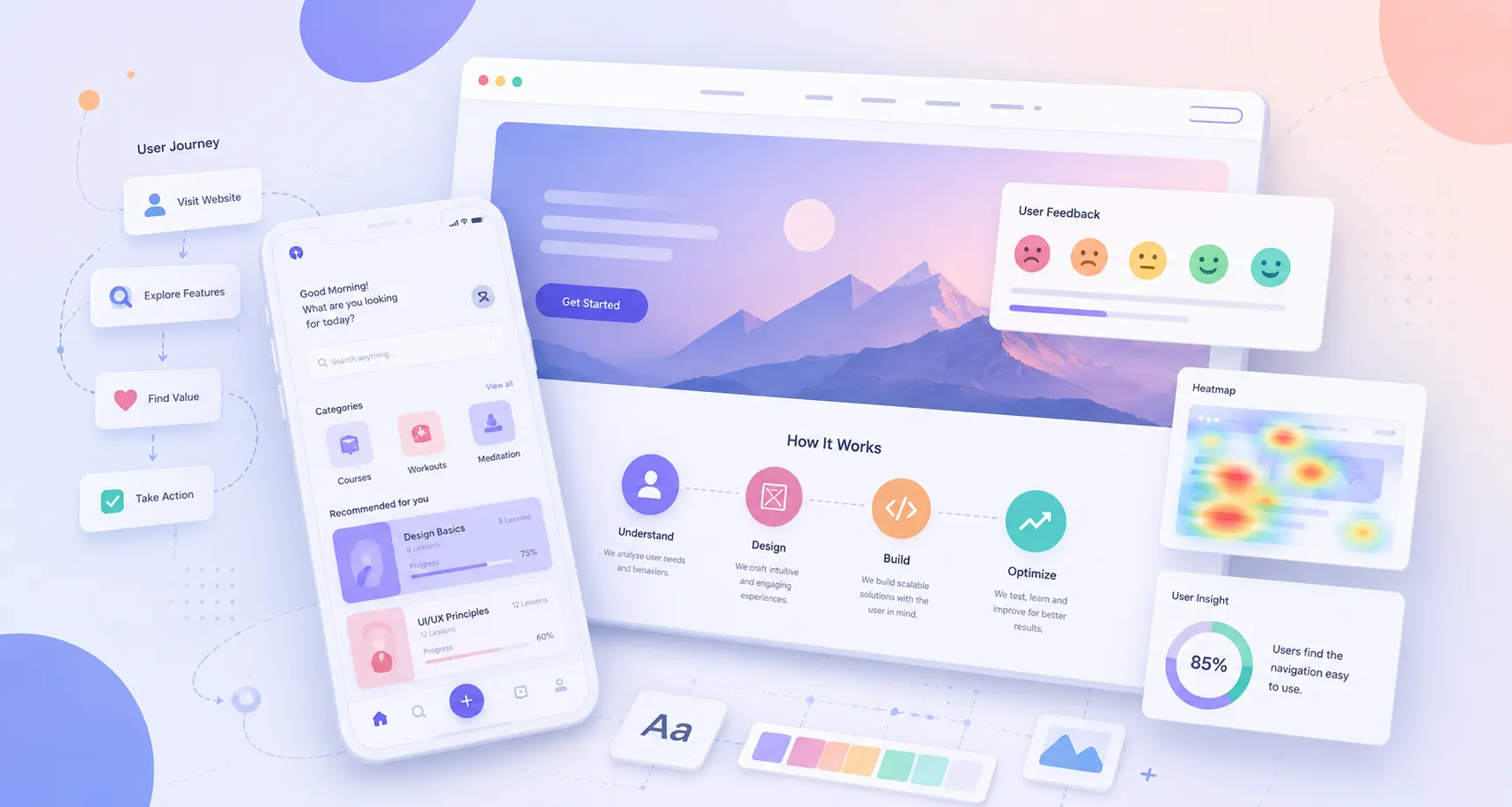
The best digital products don't just function well. They feel intuitive. They anticipate what the user needs next. They remove friction at every step. That's what user-centric design means, and it has a direct impact on your bottom line.
Design Is a Business Strategy
There's a reason the world's most successful digital products obsess over user experience. Because when a product is easy and enjoyable to use, users stick around longer, engage more deeply, and tell others about it.
Poor design does the opposite. It drives users away – quietly and quickly.
What User-Centric Design Actually Means
It starts before a single screen is designed. It starts with understanding the people who will use the product. Their goals, their frustrations, how they make decisions, and what gets in their way.
From there, design decisions are made to serve the user, not just to look impressive in a portfolio. Every button placement, every flow, and every piece of copy is tested and refined against real user behaviour.
The Elements That Make the Difference
Clarity over cleverness: Users shouldn't have to think hard to use your product. The clearest path from A to B wins every time.
Consistent experience: Every screen, every interaction should feel like part of the same product. Inconsistency creates confusion and wears down trust.
Mobile-first thinking: Most users are on their phones. A product that performs beautifully on mobile and degrades gracefully on desktop reaches more people and loses fewer of them.
Accessibility: Designing for a wide range of users, including those with visual or motor challenges. This isn't just ethical; it's good business. It widens your audience and signals quality.
Speed and responsiveness: Users have no patience for slow products. Design and performance go hand in hand. A beautiful screen that takes four seconds to load will still drive users away.
Results You Can Measure
Great UX design shows up in the metrics that matter — lower drop-off rates, higher retention, more conversions, fewer support tickets, and stronger reviews. It's not a soft investment. It's one of the highest-ROI decisions a product team can make.